Oct 21, 2024
India’s Golden Triangle offers a fascinating journey through the country’s cultural and historical heart, connecting three of its most iconic cities: Delhi, Agra, and Jaipur. This popular circuit, rich in heritage, takes travelers through a captivating mix of history, culture, and stunning architecture, revealing the timeless beauty of India’s past.
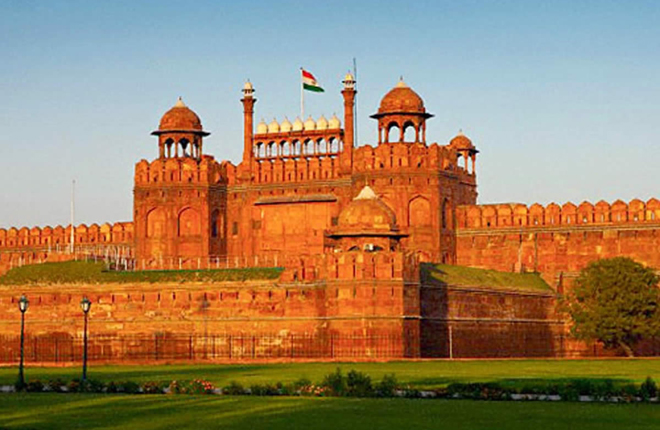
Your adventure begins in Delhi, India’s vibrant capital, where ancient landmarks coexist with modern development. Delhi is a city steeped in history, bearing the marks of empires that once thrived. Start your exploration in Old Delhi, a labyrinth of narrow streets filled with the aromas of spices and the lively sounds of bustling markets. Here, the majestic Red Fort, a UNESCO World Heritage Site, tells the tale of Mughal dominance, while the nearby Jama Masjid, one of India’s largest mosques, provides a tranquil escape from the surrounding energy.
In contrast, New Delhi showcases the splendor of British colonial influence. Its wide avenues, lush parks, and iconic structures like India Gate and the President’s House highlight the city’s transformation into a modern hub. Yet, even in this contemporary setting, the past lingers—Humayun’s Tomb, with its beautiful Persian-style architecture, and the towering Qutub Minar, a testament to Delhi’s early Islamic heritage, remind visitors of the city’s deep historical roots.
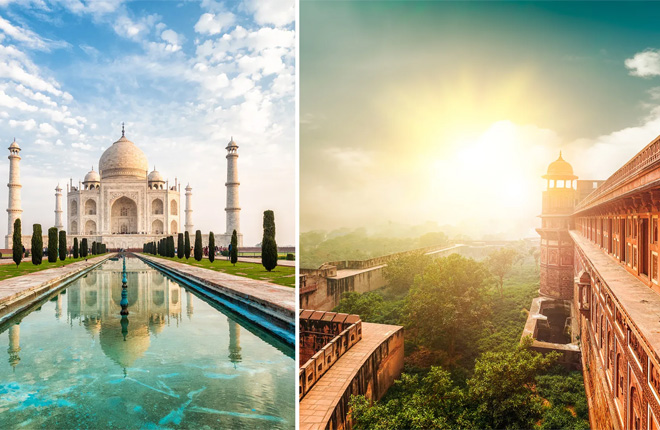
Just a few hours from Delhi, Agra is home to the world-renowned Taj Mahal, a symbol of eternal love. This stunning white marble monument, built by Emperor Shah Jahan in memory of his wife Mumtaz Mahal, is a breathtaking sight that leaves visitors in awe. The intricate carvings, perfect symmetry, and majestic scale of the Taj Mahal make it an unforgettable experience.
But Agra’s offerings extend far beyond the Taj Mahal. The Agra Fort, a colossal red sandstone fortress, provides a fascinating look into the Mughal era. Its impressive palaces, halls of public audience, and mosques highlight the grandeur of Mughal architecture. Not far from here, the Tomb of Itimad-ud-Daulah, often referred to as the “Baby Taj,” is another architectural masterpiece, showcasing the refined craftsmanship that predates the Taj Mahal.
For history enthusiasts, a visit to Fatehpur Sikri, a short drive from Agra, is a must. Once the flourishing capital of the Mughal Empire, this abandoned city, now a UNESCO World Heritage site, reflects the vision of Emperor Akbar. The well-preserved monuments, such as the towering Buland Darwaza and the peaceful Panch Mahal, offer a rare glimpse into the splendor of the Mughal dynasty.
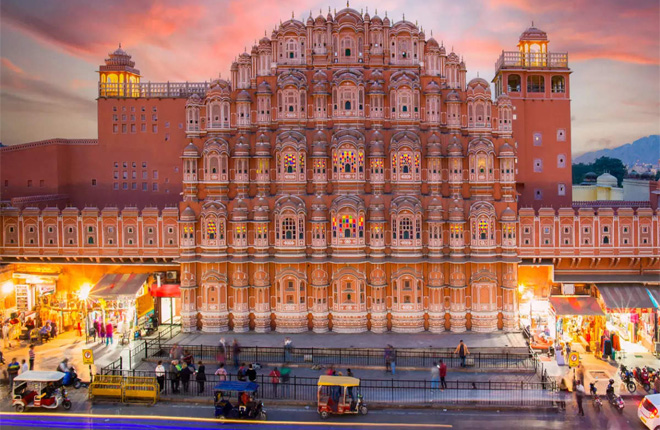
Jaipur, the capital of Rajasthan, is the final destination of the Golden Triangle, and it radiates the vibrant colors of royal Rajputana heritage. Often referred to as the "Pink City" due to the distinct pink hue of its buildings, Jaipur immerses visitors in its rich royal history.
The Amber Fort, sitting majestically on a hilltop overlooking Maota Lake, is a stunning example of Rajput architecture. With its detailed palaces, intricate mirror work, and sweeping views of the landscape, it is one of Jaipur’s most remarkable attractions.
In the heart of the city, the City Palace complex, with its museums and expansive courtyards, offers a glimpse into the lavish lifestyle of Jaipur’s former maharajas. Nearby, the Jantar Mantar observatory stands as a testament to 18th-century India’s scientific brilliance. Another iconic structure, the Hawa Mahal or "Palace of Winds," is renowned for its unique facade, with hundreds of small windows that allowed royal women to observe the bustling streets without being seen.
Beyond the architectural wonders, Jaipur’s lively markets offer a shopper’s paradise. From hand-block printed textiles to exquisite traditional jewelry, the city’s bazaars are filled with the finest examples of Rajasthani craftsmanship.
Traveling through the Golden Triangle is like stepping into the pages of a history book, where each city tells its own unique story. Delhi, with its blend of ancient and modern; Agra, with its unparalleled symbol of love; and Jaipur, with its regal splendor, together offer a rich and diverse experience that captures the essence of India.
For foreign travelers, the Golden Triangle is an invitation to explore India’s cultural heritage, where the past is alive in every corner, and every monument whispers tales of a bygone era. Whether you’re marveling at the Taj Mahal at sunrise, wandering through the forts of Jaipur, or soaking in the vibrant energy of Delhi, this journey will leave you with memories that last a lifetime.
So, pack your bags, open your heart, and get ready to discover the timeless wonders of India’s Golden Triangle—a journey that promises to be as unforgettable as the country itself.


This site is best viewed on Safari & Chrome


