July 24, 2023
Tired of visiting the same old tourist spots in Rajasthan? Wanderlust itching for something new and exciting? Well, fret not, for we have a captivating solution! Venture beyond the beaten path and discover the hidden treasures of this enchanting state. When your buddies ask, "Wait, where did you go?" you'll proudly share tales of offbeat destinations that spark wonder and awe.
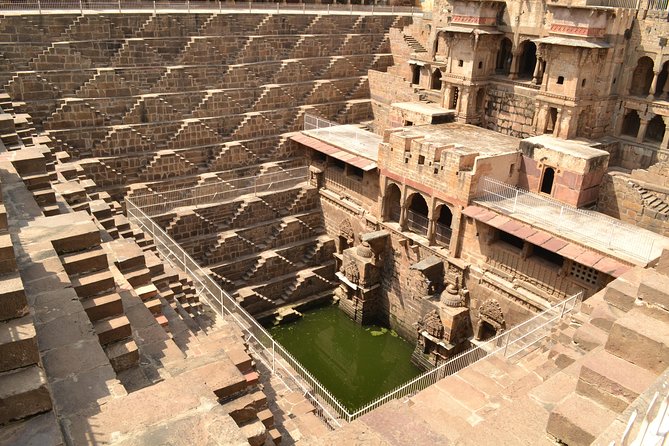
A small village situated in the Dausa district of Rajasthan, about 95 kilometres (59 miles)
from the state capital, Jaipur, famous for the Chand Baori stepwell.
Chand Baori is an ancient and intricately designed stepwell that served
both as a water reservoir and a cooling place during the hot summers. You will be amazed to
see that it is one of the largest and deepest stepwells in India, boasting over 3,500 narrow
steps arranged in a geometrical pattern, leading to the water at the bottom. Abhaneri's
Chand Baori is not only a practical marvel but also an architectural wonder that attracts
visitors from all around the world to admire its beauty and historical significance.
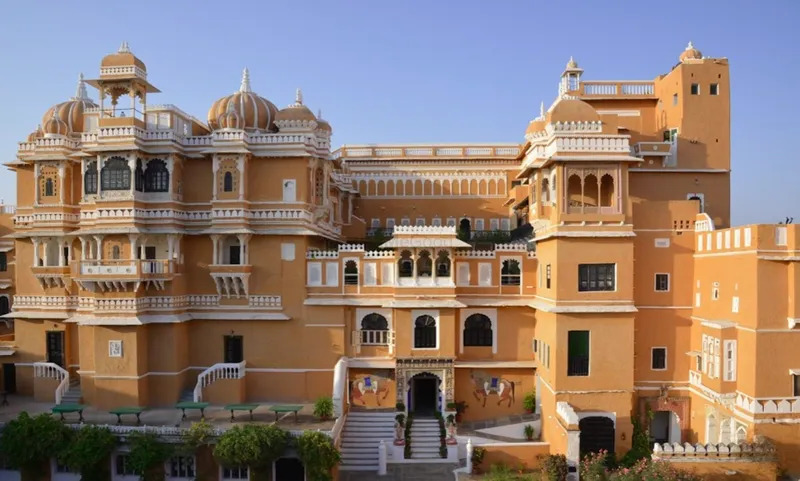
The main attraction of Deogarh is the Deogarh Mahal, a magnificent palace turned into a
heritage hotel. This 17th-century palace showcases a beautiful blend of
Rajput and Mughal architectural styles.
The hotel offers guests a chance to
experience royal hospitality and the grandeur of Rajasthan's princely past Deogarh is a
small town located in the Rajsamand district. It is renowned for Deogarh Mahal, a
magnificent palace that has been transformed into a heritage hotel. The town is surrounded
by picturesque lakes and offers a peaceful and serene ambiance.
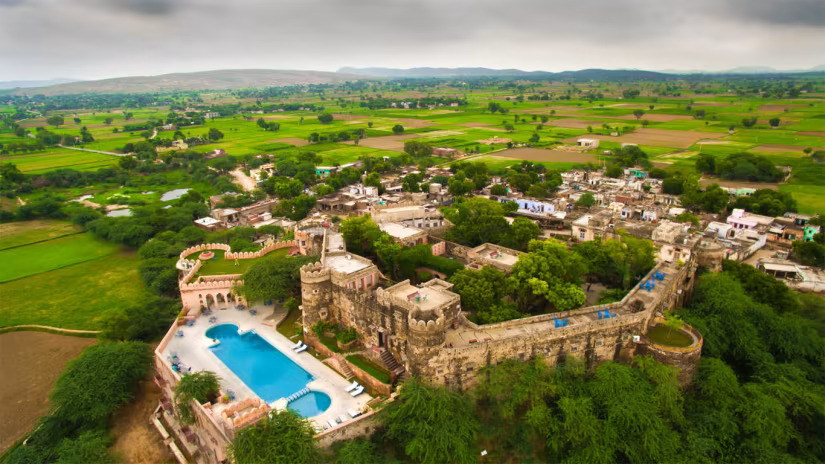
Kesroli is home to the 14th-century Hill Fort Kesroli, one of the oldest
heritage sites in India. The fort is perched on Hornstone Breccia rocks and
showcases medieval architecture and design. Staying in this fort offers a chance to
experience the grandeur of the past while enjoying modern comforts.
According to
historical records, it is believed to have been originally constructed by the Yaduvanshi
Rajputs, who claim their lineage from Lord Krishna. However, during the mid-14th century,
they converted to Islam and became known as Khanzadas. Over time, the fort changed hands and
was successively ruled by the Mughals and then the Jats. Eventually, in 1775, it returned to
the control of the Rajputs when the princely state of Alwar was established.
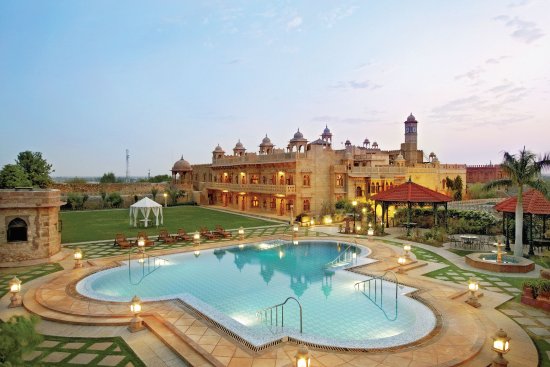
Khimsar is a village located in the Nagaur district of Rajasthan Khimsar, a hidden gem in the
heart of Rajasthan's Thar Desert, offers a mesmerizing blend of history, architecture, and
nature. What makes Khimsar truly unique is its captivating heritage – the Khimsar
Fort. Unlike other forts in Rajasthan that are primarily made of sandstone, the
Khimsar Fort stands out as it is constructed with unique red sandstone.
This distinctive hue of the fort's walls creates a striking contrast against the golden
sands of the surrounding desert.
But that's not all that sets Khimsar apart. The fort is
also home to a one-of-a-kind feature – a remarkable and ancient underground water reservoir
called the Pigeon House. This ingeniously designed structure used to serve as a water
storage system, and it still retains its functionality, providing a glimpse into the
ingenuity of the past.
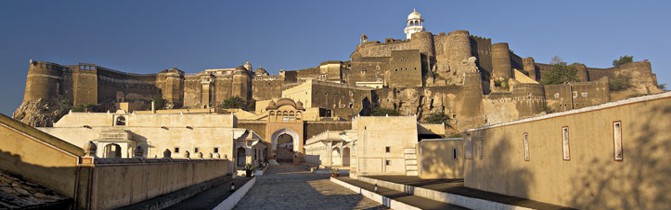
Kuchaman is a town in the Nagaur district, known for its majestic Kuchaman Fort. The fort
offers panoramic views of the town and surrounding landscape.
Kuchaman is also famous for its annual Nagaur Cattle Fair, one of the largest cattle fairs
in Rajasthan
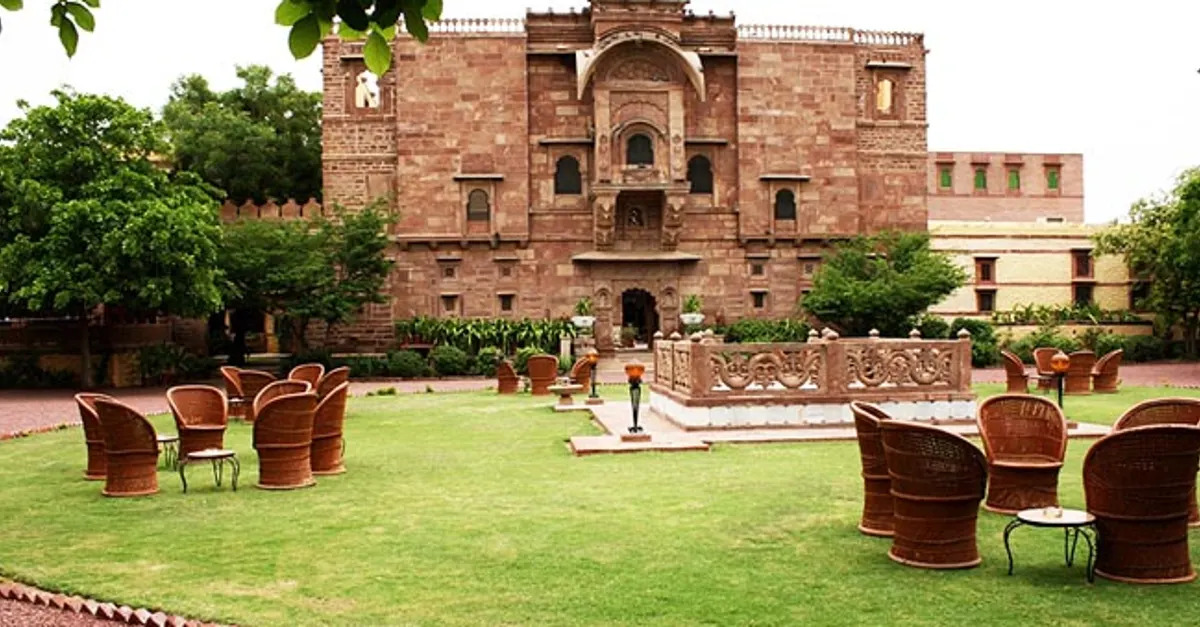
Luni a small village situated in the Jodhpur district of Rajasthan, known for its impressive
fort, Chanwa Luni.
The fort showcases the traditional Rajput
architecture and offers a royal experience as a heritage hotel. Luni is also known for its
traditional village tours, allowing visitors to witness rural Rajasthani life.
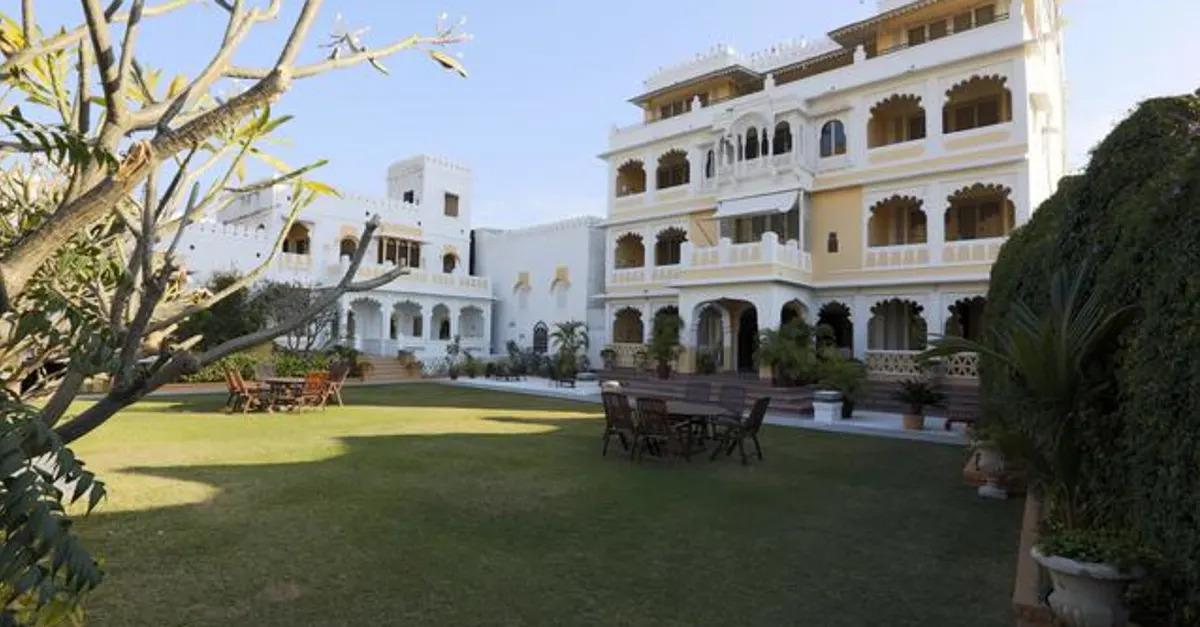
Narlai is a small village nestled in the Aravalli Hills. It is famous for its heritage hotel,
Rawla Narlai, which was once a hunting lodge of the Jodhpur royal family.
The village offers a tranquil atmosphere and opportunities for nature walks,
birdwatching, and exploring nearby temples and stepwells.
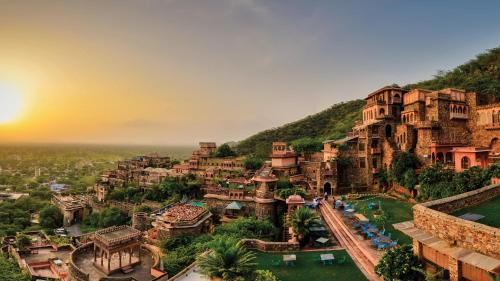
Neemrana is situated in the northern part of Rajasthan, approximately 122 kilometres (76
miles) away from the state capital, Jaipur.
It is renowned for its rich heritage
and is best known for the Neemrana Fort Palace, a majestic 15th-century heritage
hotel that attracts tourists from around the world.
The fort is a
luxurious heritage hotel and offers panoramic views of the surrounding landscape. Neemrana
is also famous for its zip-lining adventure, which allows visitors to soar
over the fort's picturesque scenery.
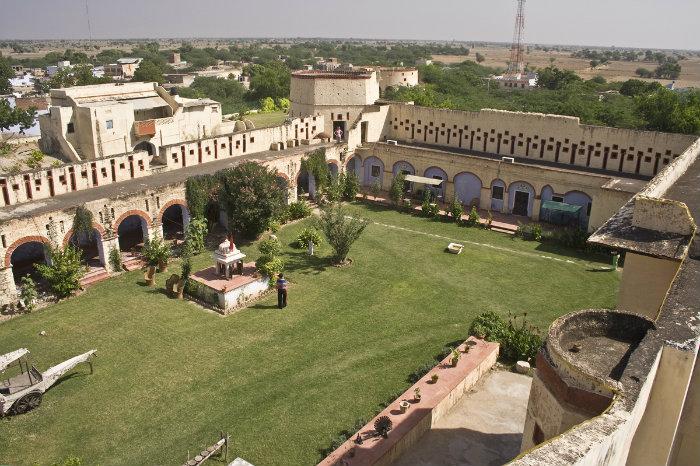
Pachewar is a small village situated in the Tonk district of Rajasthan, known for its
heritage havelis and the Pachewar Fort.
The fort has been converted into a heritage
hotel and provides a glimpse into the royal history of the region. Pachewar is also famous
for its annual cattle fair, where traders gather to buy and sell livestock.
Pachewar Lake also a serene water body, it adds to the tranquility
of the village. You can enjoy peaceful moments by the lake, enjoying the natural beauty and
birdwatching opportunities.
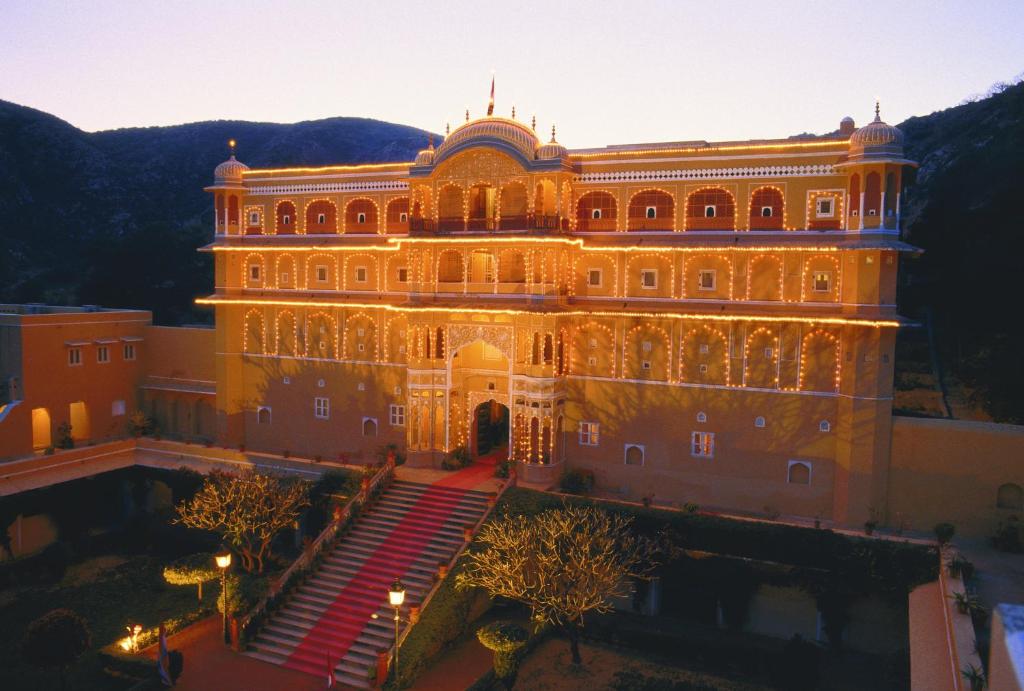
A village situated in the Shekhawati region, about 40 kilometres (25 miles)
north of the city of Jaipur, known for its impressive Samode Palace, which has been
converted into a heritage hotel and is a popular destination for tourists seeking a glimpse
of Rajasthan's rich cultural heritage and architectural splendour. Originally constructed as
a formidable Rajput Fort during the 16th century,
it underwent a breathtaking
transformation in the 19th century under the visionary mind of Rawal Berisal. The palace is
a splendid example of Rajput-Mughal architecture.
It is renowned for its intricate
frescoes, mirror work, and beautiful gardens.
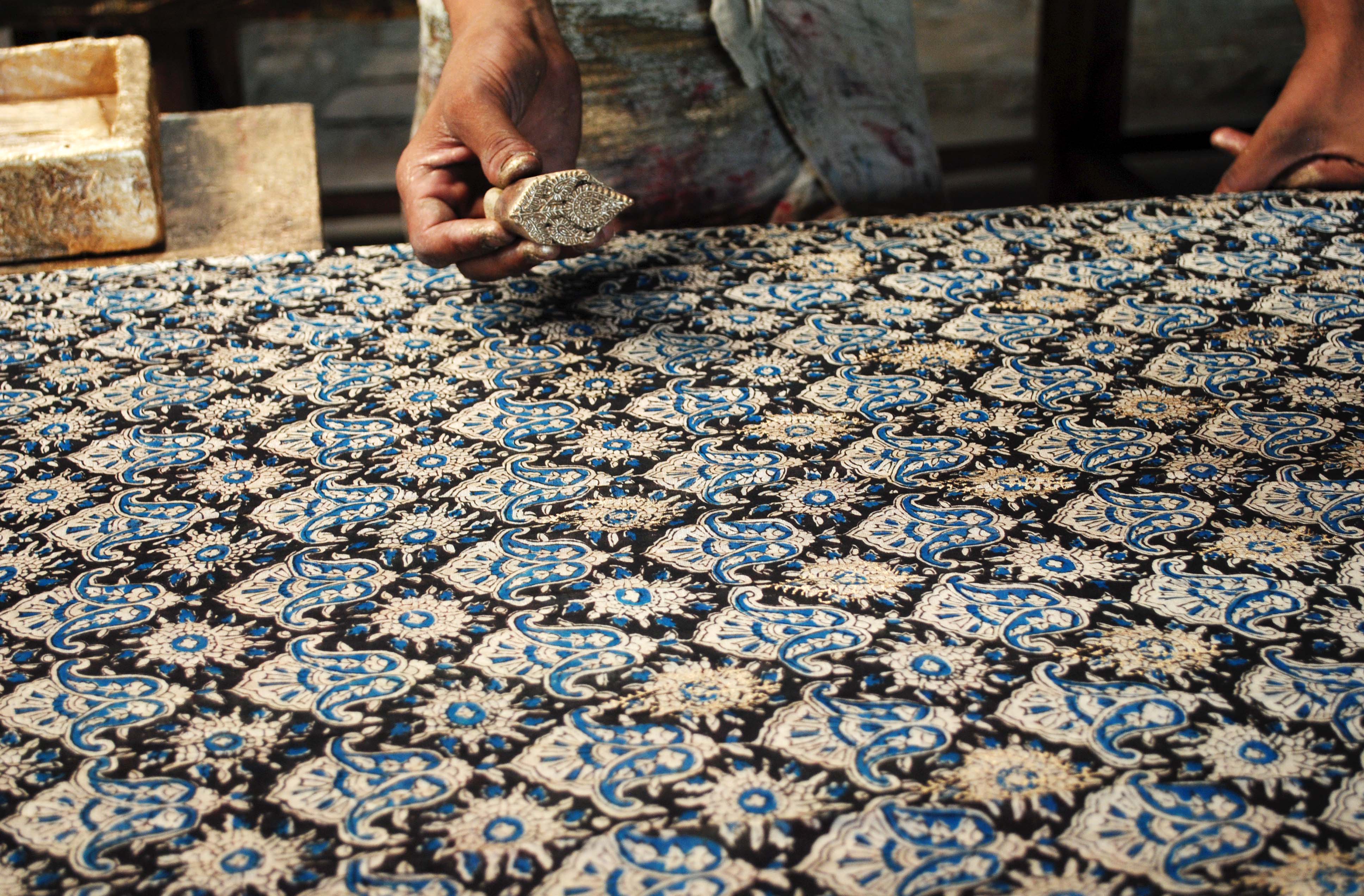
Sanganeer, situated approximately 16 kilometres (10 miles) south of the state capital,
Jaipur, known for its traditional textile printing and handmade paper
industry. Sanganer is famous for its traditional crafts and textiles,
especially block printing and handmade paper manufacturing.
The town is known for its
skilled artisans who have been practicing the art of block printing for generations,
creating exquisite designs on fabrics. Sanganer's block-printed textiles are highly sought
after and exported all over the world. Additionally, the town's handmade paper industry is
renowned for producing beautiful and eco-friendly paper products using traditional
techniques. Tourists and art enthusiasts visit Sanganer to witness these time-honored crafts
and purchase unique and vibrant textiles and paper products.
Unveil the enchanting
secrets of Rajasthan's offbeat destinations, where extraordinary experiences await those
willing to step off the well-trodden path. These hidden gems promise unforgettable
adventures, where rich culture, captivating history, and warm hospitality intertwine to
create an offbeat
journey like no other. Discover the lesser-known wonders of Rajasthan, and let your
wanderlust be captivated by the allure of these extraordinary destinations


This site is best viewed on Safari & Chrome


