Oct 01, 2024
India, with its deep history, vibrant culture, and diverse landscapes, promises an adventure unlike any other. For those embarking on their first visit to this fascinating country, these essential travel tips will guide you through its unique experiences, ensuring a seamless and memorable journey.
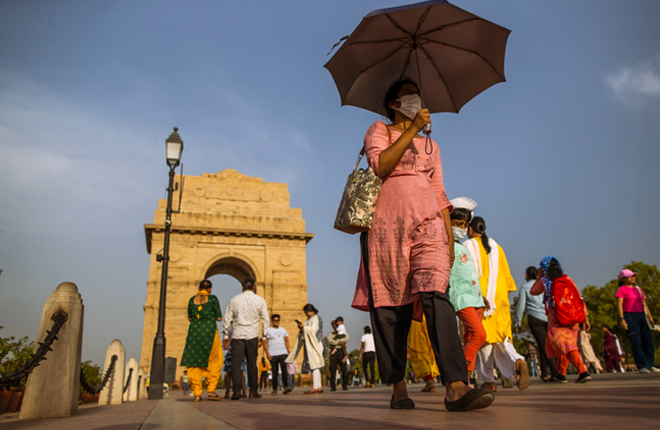
Plan Your Destinations: India’s expansive size offers a wide range of experiences across its regions. Take time to research the places you wish to visit, from the vibrant cities of Delhi and Mumbai to the tranquil backwaters of Kerala, the arid landscapes of Rajasthan, or the spiritual hubs of Varanasi.
Understand the Climate: India's weather can vary significantly depending on the region. It's best to plan your trip around the climate of the areas you’ll be visiting. The winter months (November to March) are generally the most pleasant for most regions, while the monsoon season (June to September) brings heavy rainfall, particularly in southern and northeastern areas.

Health and Vaccination Advice: Prior to your trip to India, consult with your healthcare provider about the recommended vaccinations, such as Hepatitis A and B, typhoid, and tetanus. It's also wise to carry a basic first-aid kit that includes medications for common ailments, insect repellent, and sunscreen.
Food and Water Safety: To prevent stomach issues, always opt for bottled water and avoid consuming ice from street vendors. Enjoy local delicacies at well-regarded restaurants, and if sampling street food, choose vendors who prepare food fresh and maintain hygiene.
Safety Precautions While Traveling: India is generally safe for visitors, but it's important to be vigilant. Keep valuables securely hidden, choose reliable transportation options, and stay aware of your environment. Dress modestly, especially in religious or rural areas, and be mindful of local customs.
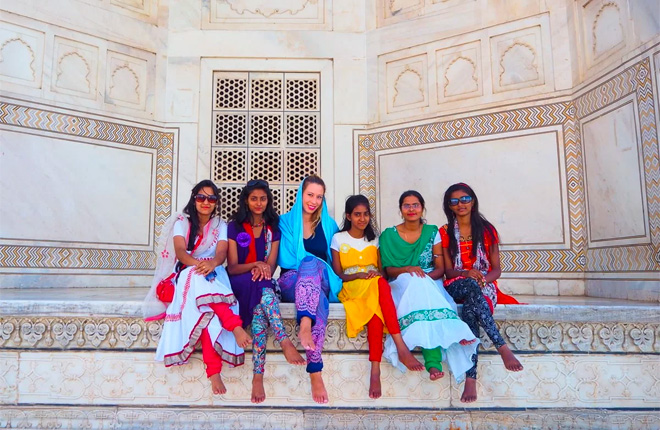
Dress Appropriately: Modesty is valued in India, especially in religious and rural regions. Women should aim to cover their shoulders and knees, while men are advised to avoid wearing shorts. Traditional outfits like the salwar kameez or light, breathable cotton clothes are ideal for such settings.
Honor Local Traditions: India is home to a rich tapestry of cultures and customs. When visiting sacred sites such as temples and mosques, be sure to remove your shoes and adhere to any specific dress codes. Always ask for permission before taking photographs, especially in sensitive or spiritual locations.
Greetings and Interaction: The traditional greeting "Namaste" (a slight bow with palms pressed together) is widely used. Although English is commonly spoken, learning a few words in Hindi or the local language can enrich your experience and demonstrate respect for local customs.
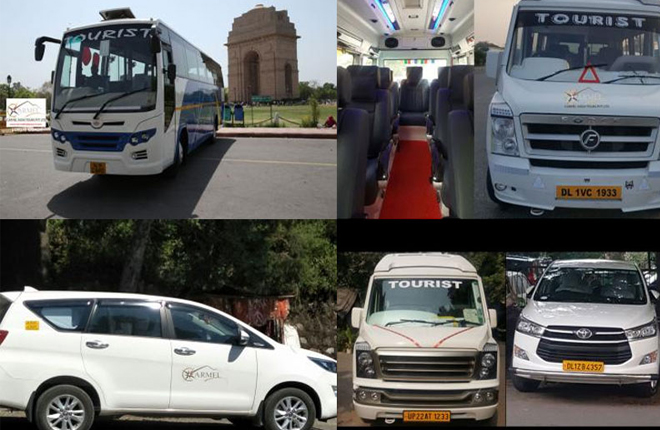
Transportation Options: India provides a variety of transportation choices. For longer trips, trains are a preferred option, with a range of classes from basic to luxurious. In cities, app-based ride services offer a convenient and secure way to travel. Rickshaws and taxis are also easily accessible for shorter distances.
Traffic and Travel Time: Traffic in India can be quite congested, and travel durations may be longer than anticipated. It's best to plan your travels with some flexibility and allow for unexpected delays.
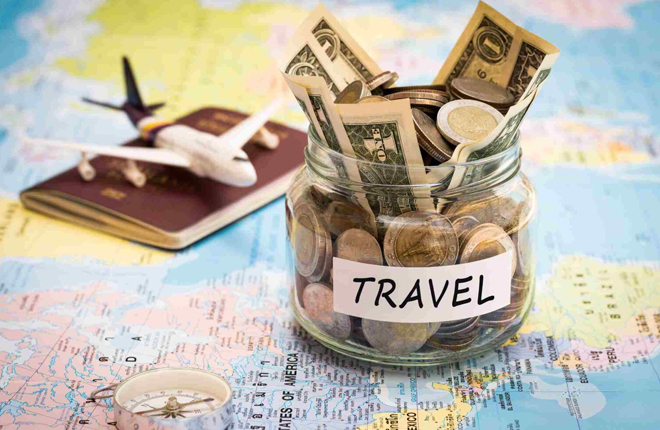
The currency used in India is the Indian Rupee (INR). For smaller purchases, it’s recommended to carry cash, especially in rural areas where card payments might not be accepted. You can exchange foreign currency at airports, local banks, or hotels.
Payment Methods: In larger cities and tourist hotspots, credit and debit cards are widely accepted. However, for transactions in less developed areas or with smaller vendors, having cash is essential.
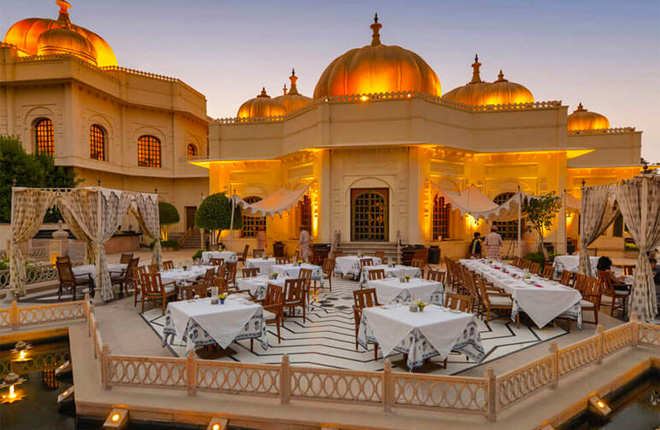
Accommodation Options: India provides a variety of lodging choices, from affordable hostels to high-end hotels and heritage properties. It’s wise to book in advance, especially during peak tourist seasons, and read reviews to ensure your accommodation meets your expectations.
Staying Connected: Mobile phone service is generally strong in cities and popular tourist spots. You can purchase a local SIM card upon arrival for affordable data and calling rates. Many hotels, cafes, and public spaces also offer free Wi-Fi access.
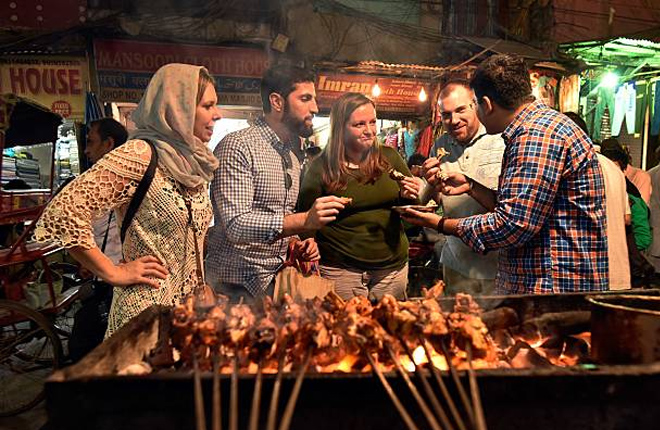
Explore Local Flavors: Indian cuisine offers a vast array of tastes, with each region showcasing its own specialties. If you're not used to spicy food, begin with milder dishes and gradually explore more flavorful options. Don’t miss the chance to try regional sweets and street food, but always opt for vendors who prepare food fresh for a safe experience.
Engage with Local Culture: Dive into the cultural fabric of India by participating in festivals, attending traditional performances, and visiting vibrant markets. These activities will deepen your understanding of India’s rich heritage and make your travels more meaningful.
Embrace Nature and Adventure: From hiking in the majestic Himalayas to unwinding on the beaches of Goa, India’s landscapes cater to both thrill-seekers and those looking for relaxation. Discover national parks, wildlife reserves, and picturesque locations for the perfect mix of adventure and tranquility.
Visiting India for the first time is an exciting and life-changing adventure. With proper preparation and an open mind, you can easily navigate the country’s vibrant diversity and immerse yourself in its unique charm. From the lively energy of its cities to the peaceful beauty of its natural landscapes, India offers a travel experience that is both diverse and unforgettable. Wishing you safe and enriching travels as you explore this fascinating land!


This site is best viewed on Safari & Chrome


